
Practical Eating Strategies for Busy Days Without Compromising Balance
Maintaining balanced nutrition can feel challenging when schedules are packed with work, family responsibilities, and social commitments. However, healthy eating does not require complicated recipes or hours in the kitchen. With thoughtful planning and simple systems, it is possible to support overall wellness even during the busiest weeks.
Planning Ahead Reduces Stress
One of the most effective ways to maintain consistency is to plan meals in advance. This does not mean preparing every detail for the week, but rather having a flexible structure. For example:
- Choosing 2–3 core dinner options
- Preparing versatile ingredients (such as cooked grains or roasted vegetables)
- Keeping healthy staples available for quick assembly
When nutritious ingredients are easily accessible, making balanced choices becomes more convenient.
Building a Balanced Plate
A practical approach to meal structure often includes:
- A source of lean protein
- High-fiber carbohydrates such as whole grains
- A variety of vegetables
- A small portion of healthy fats
This balanced framework supports steady energy throughout the day and reduces reliance on highly processed convenience foods.
Smart Snacking
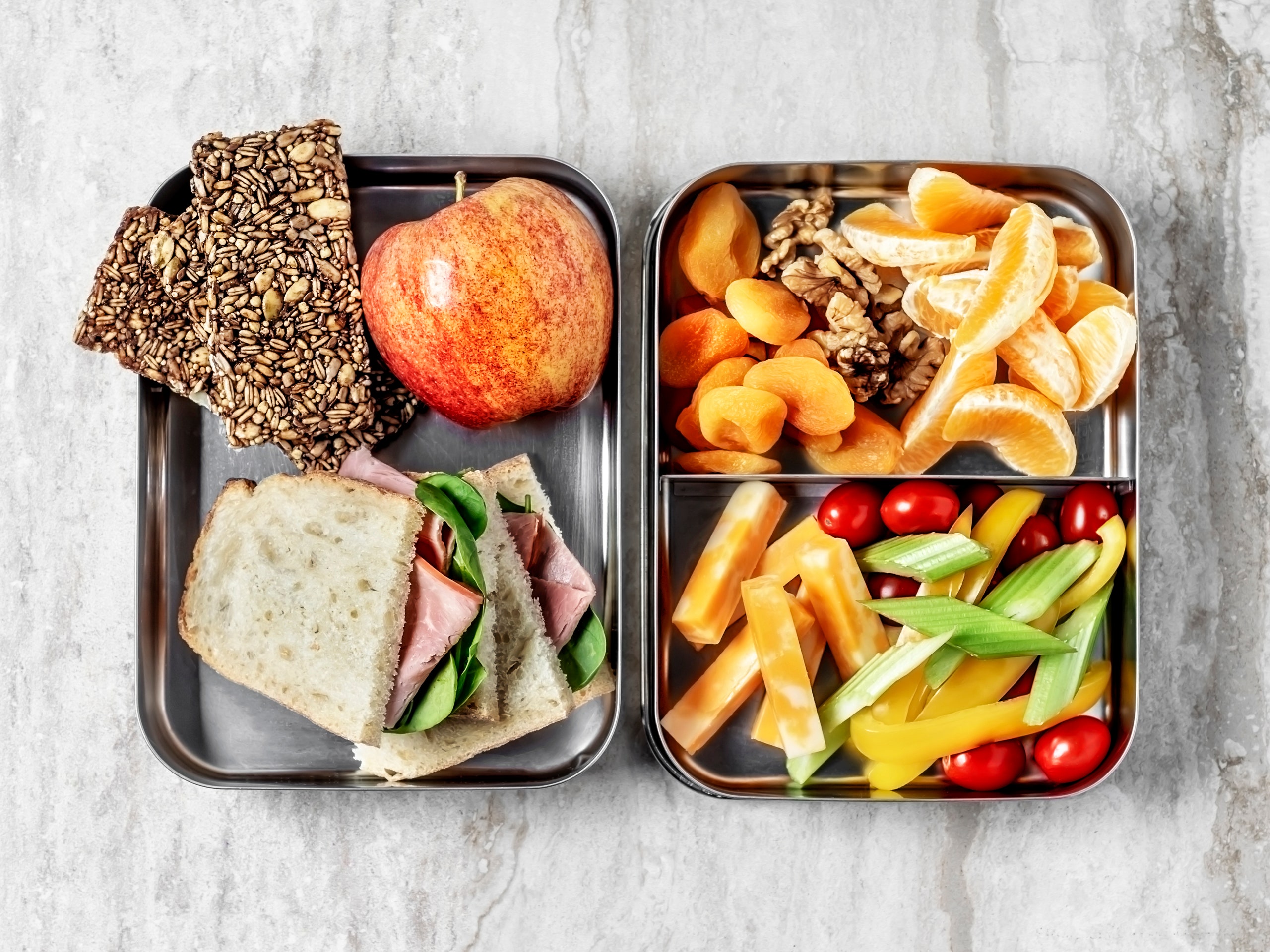
Busy days often include long gaps between meals. Keeping simple snacks on hand—such as nuts, yogurt, fruit, or whole-grain crackers—can help maintain consistent energy levels.
The goal is not perfection, but preparation. Having options readily available supports better decision-making when time is limited.
Grocery Shopping with Intention
Creating a short, structured grocery list reduces impulse purchases and saves time. Shopping the perimeter of the store, where fresh foods are often located, can help prioritize nutrient-dense options.
Sustainability Over Strict Rules
Extreme restrictions are rarely practical for busy individuals. Flexible planning, realistic portion sizes, and gradual improvements tend to be more sustainable long term.
This article is for informational purposes only and does not replace personalized guidance from a qualified healthcare professional.